Slide 1 of 25
MODULE 1: Introduction

Welcome to Raqball! ๐ŸŽฏ

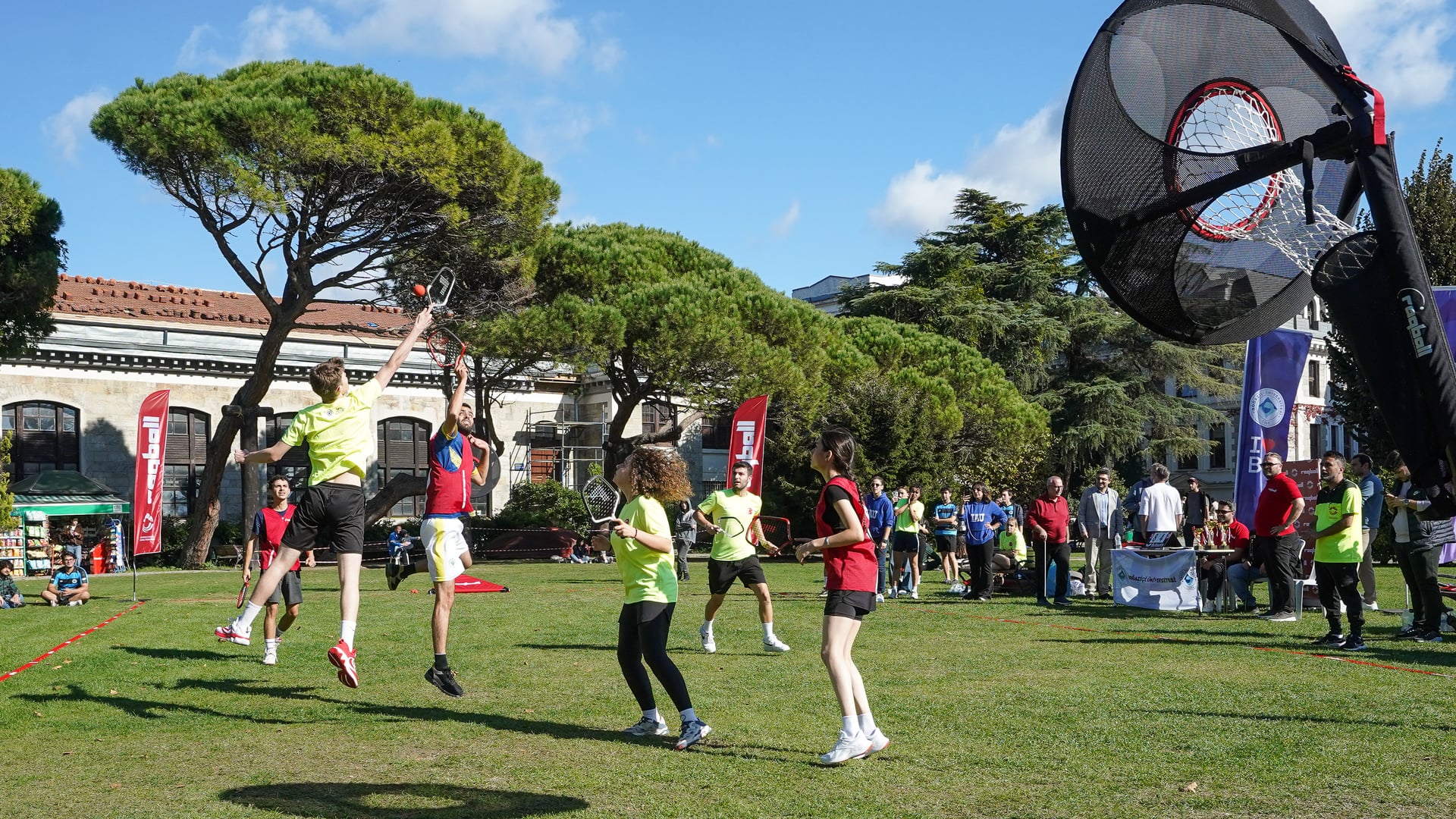
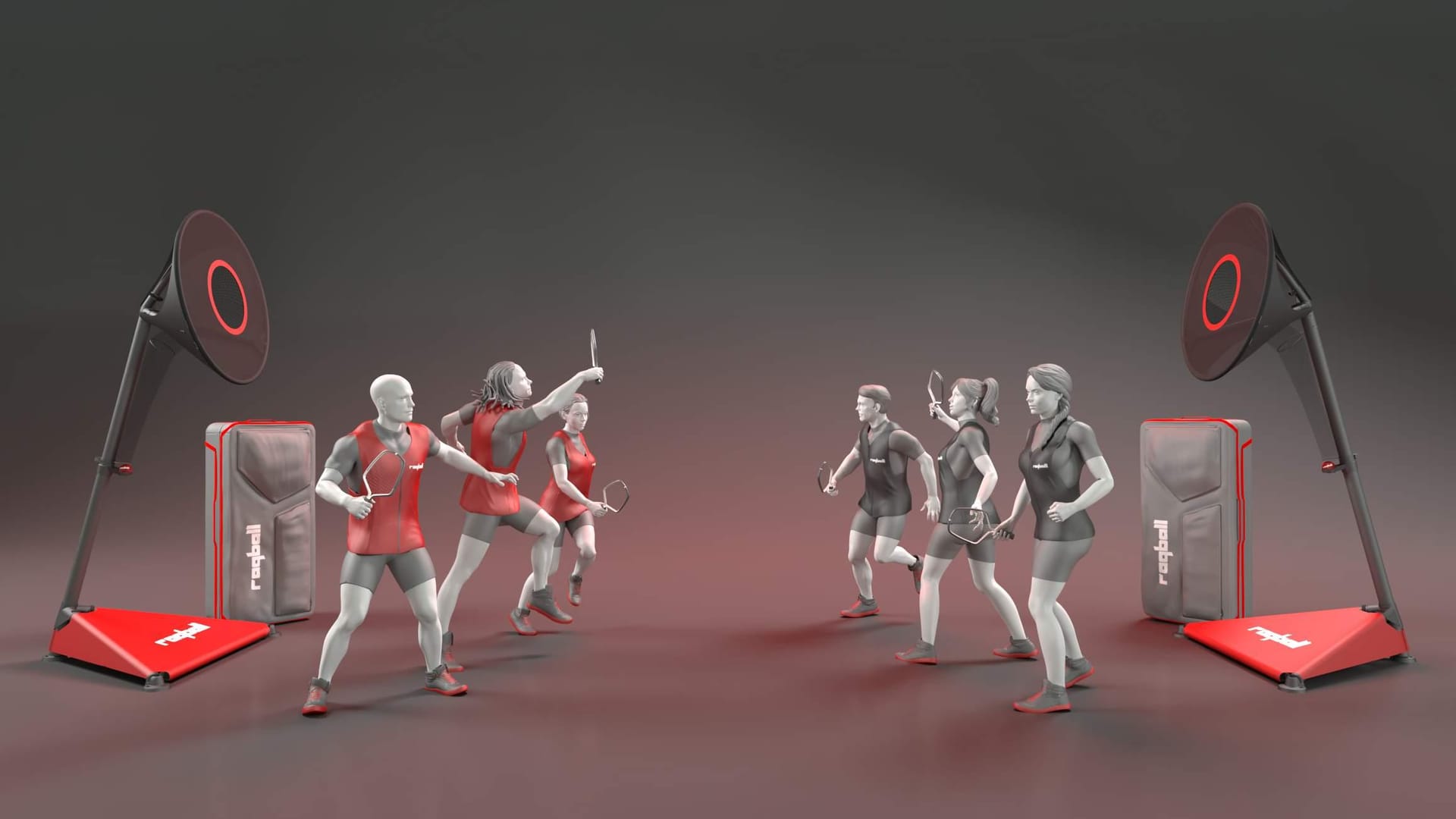
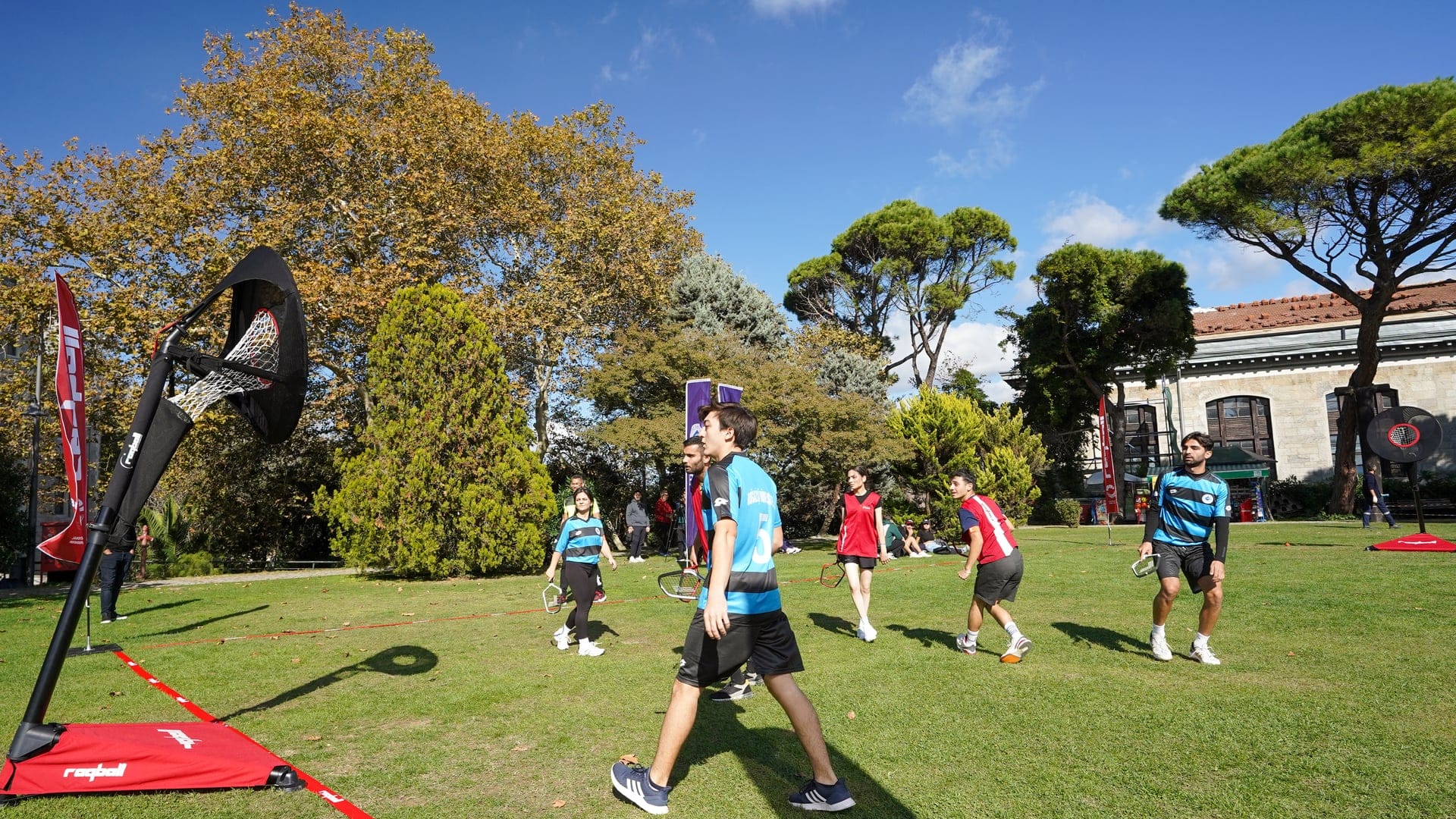
Raqball players in action

Welcome to Raqball Rules Fundamentals!

You're about to learn the basics of the world's first truly gender-inclusive team sport. Raqball is designed for everyone to play together on equal terms.

What Makes Raqball Unique?
  • โœ… Gender-Inclusive: Mixed-gender teams with balanced participation
  • โœ… Non-Contact: Safe for all ages and skill levels
  • โœ… Strategic: Combines throwing, catching, and tactical thinking
  • โœ… Accessible: Easy to learn, exciting to master

In the next 30 minutes, you'll learn everything you need to understand and enjoy Raqball!

MODULE 1: Introduction

What is Raqball?

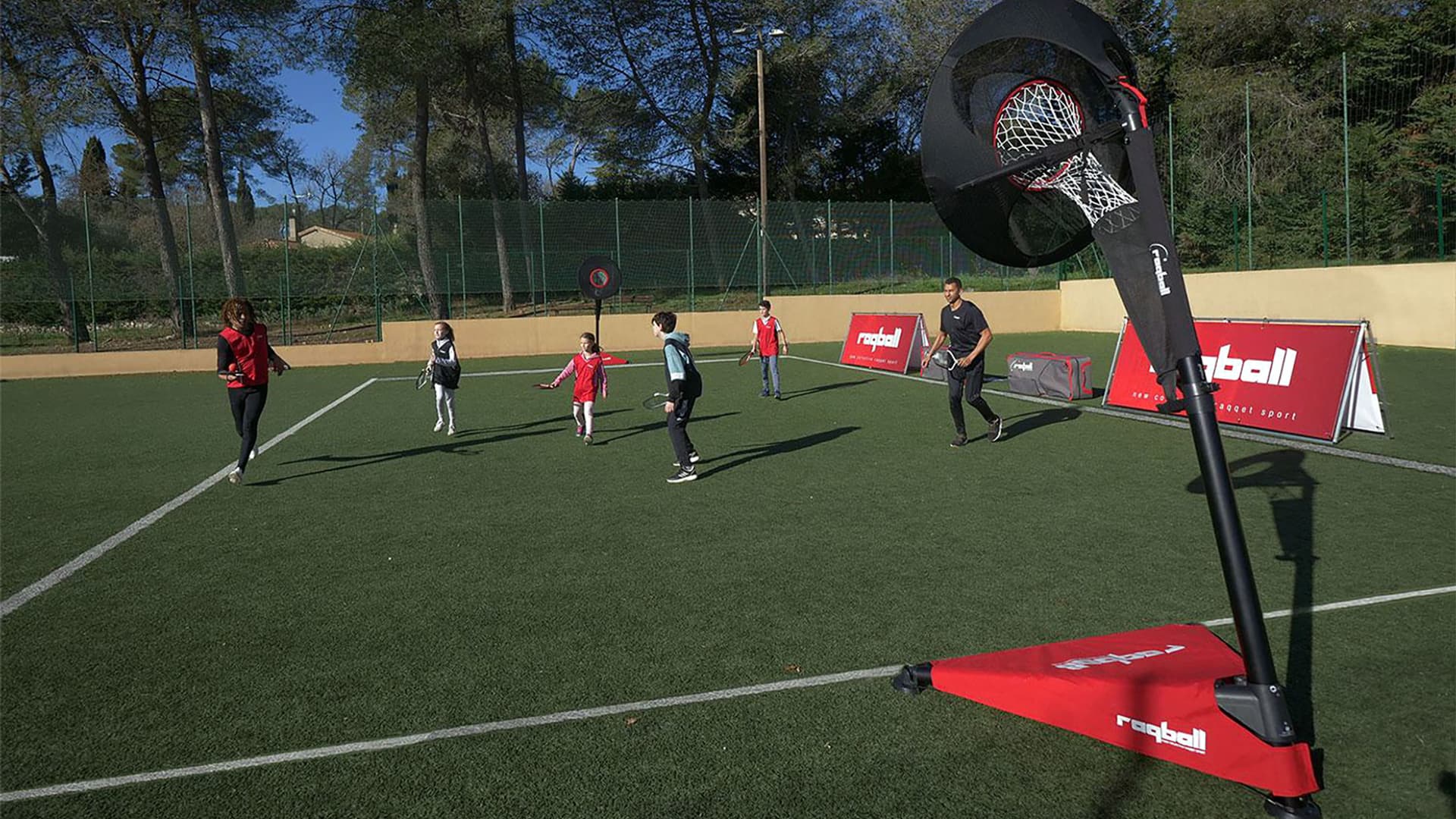
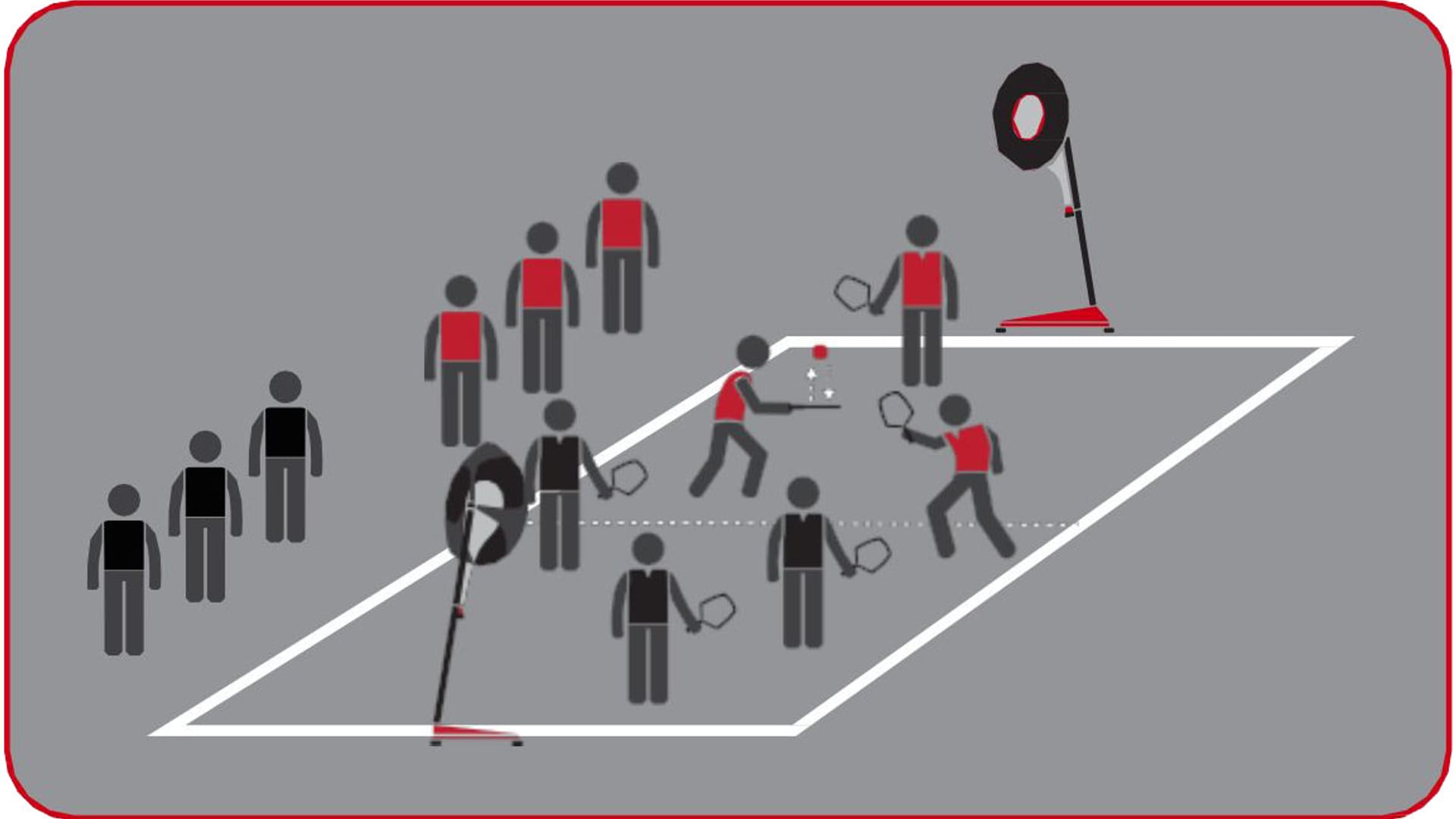
Raqball court overview

Raqball is a dynamic team sport that combines elements of throwing, catching, and strategic positioning.

The Core Concept:

  • Two teams compete to score points by throwing a ball at a target
  • Players use a RAQQET (a specialized racquet) to catch and control the ball
  • The goal is to hit the TARGGET (a vertical target board with scoring zones)
  • Movement rules create strategic gameplay without running
๐ŸŽฏ The Goal: Score more points than your opponent by hitting different zones on the TARGGET while preventing them from doing the same.

Unlike traditional sports, Raqball's unique rules ensure that players of all genders, ages, and athletic abilities can compete together fairly.

MODULE 1: Introduction

Raqball Origins & Governance ๐ŸŒ

The Origins of Raqball:

Created to revolutionize team sports
Raqball was designed from the ground up as the world's first truly gender-inclusive team sport.

Global Governance:

  • International Raqball Federation (IRBF)
    • World governing body for Raqball
    • Sets international rules and standards
    • Oversees global competitions and development
    • Board leadership includes Chris Oven and other international leaders

United States Governance:

  • Raqball USA Federation
    • Official governing body for the United States
    • Member organization of the IRBF
    • Manages U.S. certifications, programs, and events
    • Promotes Raqball development nationwide
Key Figure:
Chris Oven - A key leader in the International Raqball Federation Board (IRBF), helping shape the sport's global development and governance.

Remember: IRBF = World ยท Raqball USA Federation = United States

MODULE 1: Introduction

How Raqball Compares to Other Sports

Sports That Influenced Raqball:

Raqball combines elements from multiple sports:
  • Handball - Team coordination and TARGGET scoring
  • Basketball - Court dimensions and team structure
  • Racquet Sports - RAQQET control and precision
  • Ultimate Frisbee - Non-contact philosophy and movement patterns

How Raqball Differs from Tennis:

  • Team vs Individual: Raqball is a 3v3 team sport, tennis is typically 1v1 or 2v2
  • Target vs Net: Raqball uses a vertical TARGGET, tennis uses a ground-level net
  • Ball Control: Raqball allows catching and carrying the ball in the RAQQET net
  • Movement: Raqball uses DRIB'UP technique, tennis has continuous running
  • Gender-Inclusive: Raqball is designed for mixed-gender teams from the start

What Makes Raqball Unique:

  • No offside rule (unlike soccer/hockey)
  • Strictly non-contact (unlike basketball/football)
  • Zone-based scoring (distance matters!)
  • Gender equity built-in from day one

Think of it as: A hybrid sport that takes the best elements of multiple games and creates something entirely new and accessible!

MODULE 1: Introduction

Who Can Play Raqball?

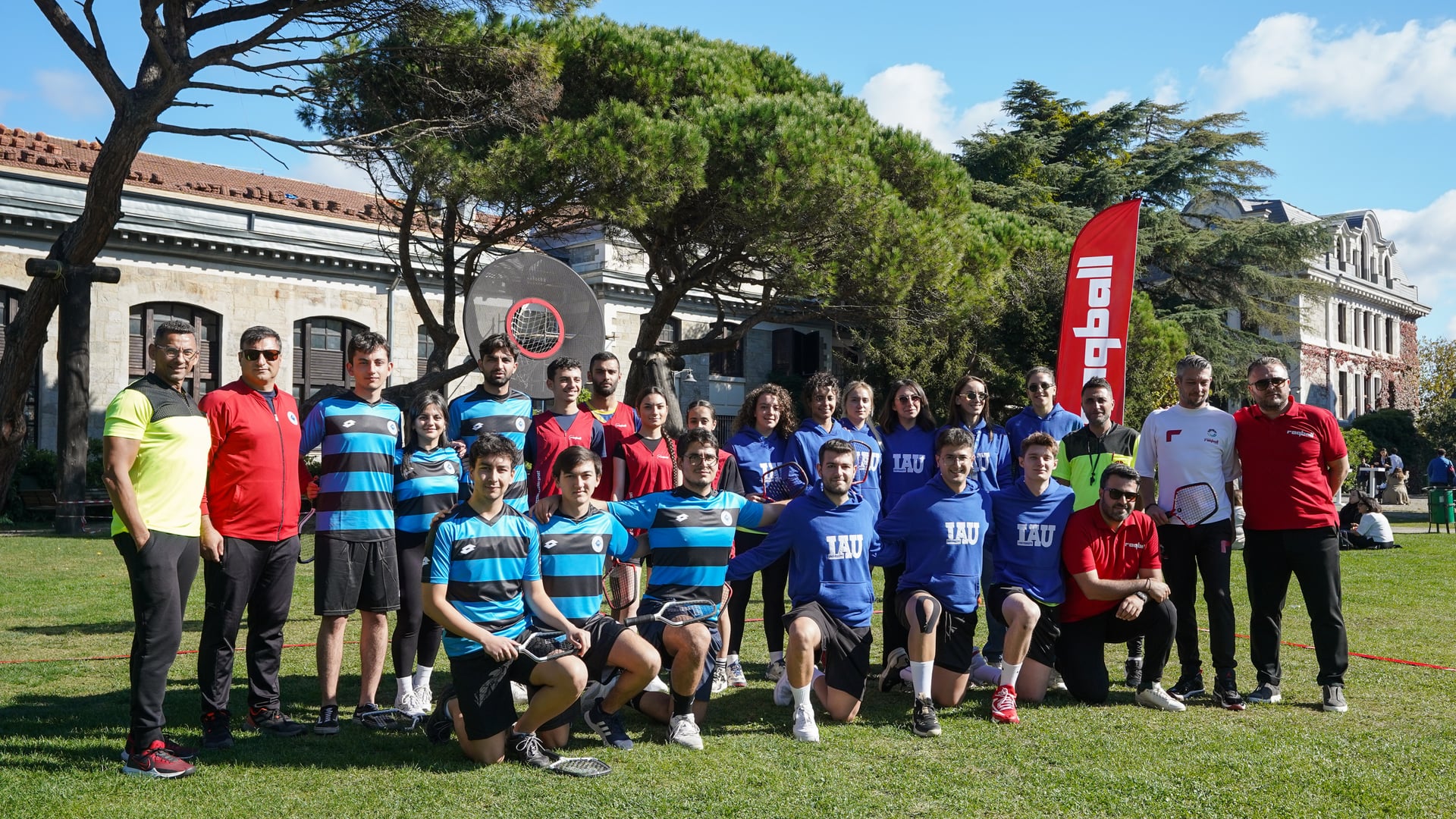
Mixed team playing Raqball

Everyone! Here's why:

Age Range:
  • Youth: Ages 10+ can start learning
  • Adults: All fitness levels welcome
  • Masters: No upper age limit

Gender-Inclusive Teams:

  • Mixed-gender teams are encouraged and promoted
  • Equal playing time and participation for all
  • No gender-based position restrictions
  • Truly inclusive competition structure

Skill Levels:

  • Beginner: Easy to learn basic rules
  • Intermediate: Develop strategic play
  • Advanced: Master techniques and tactics

Whether you're a student, parent, coach, or sports enthusiast, Raqball welcomes you!

MODULE 1: Introduction

Social Impact & UN Sustainable Development Goals ๐ŸŒฑ

Raqball's Global Mission:

More Than Just a Sport
Raqball is committed to creating positive social change through sport, with a focus on gender equality and sustainable development.

United Nations SDG 5: Gender Equality

  • Primary Focus: Raqball directly supports UN Sustainable Development Goal 5 (Gender Equality)
  • How: By being the world's first sport designed from inception for mixed-gender teams
  • Impact: Creates equal opportunities for all genders in competitive sports
UN SDG 5: Achieve gender equality and empower all women and girls

Raqball promotes gender equity through:
  • โœ“ Non-contact rules (eliminates physical size advantages)
  • โœ“ Equal participation requirements (mixed-gender teams)
  • โœ“ Fair playing field (skill and strategy over strength)
  • โœ“ Leadership opportunities (coaching, officiating, administration)

Social Initiatives:

  • Gender Equity Programs: Promoting mixed-gender competition at all levels
  • Youth Development: Teaching equality through sport from an early age
  • Community Building: Creating inclusive spaces for all participants
  • Sustainability: Contributing to broader UN sustainability goals

Raqball USA's Commitment:

Raqball USA Federation is dedicated to supporting gender equality initiatives and creating opportunities for underrepresented groups in sports through inclusive programming, education, and community outreach.

Remember: Every time you play Raqball, you're supporting gender equality! ๐ŸŽฏ

MODULE 2: Court & Equipment

The Raqball Court

Court Dimensions:

  • Length: 20 meters (65.6 feet)
  • Width: 10 meters (32.8 feet)
  • Similar to: Half a basketball court

Court Zones:

The court is divided into two main zones:

Front Zone (Opponent's Half): Closer to their TARGGET - scores 1-2 points

Back Zone (Your Own Half): Farther from their TARGGET - scores 2-4 points

Zone positioning affects scoring - shooting from farther away is worth more points!

Key Features:

  • TARGGET at each end (vertical scoring target)
  • Clearly marked zones for scoring
  • Sidelines and end lines define boundaries
  • Can be played indoors or outdoors
MODULE 2: Court & Equipment

The TARGGET ๐ŸŽฏ

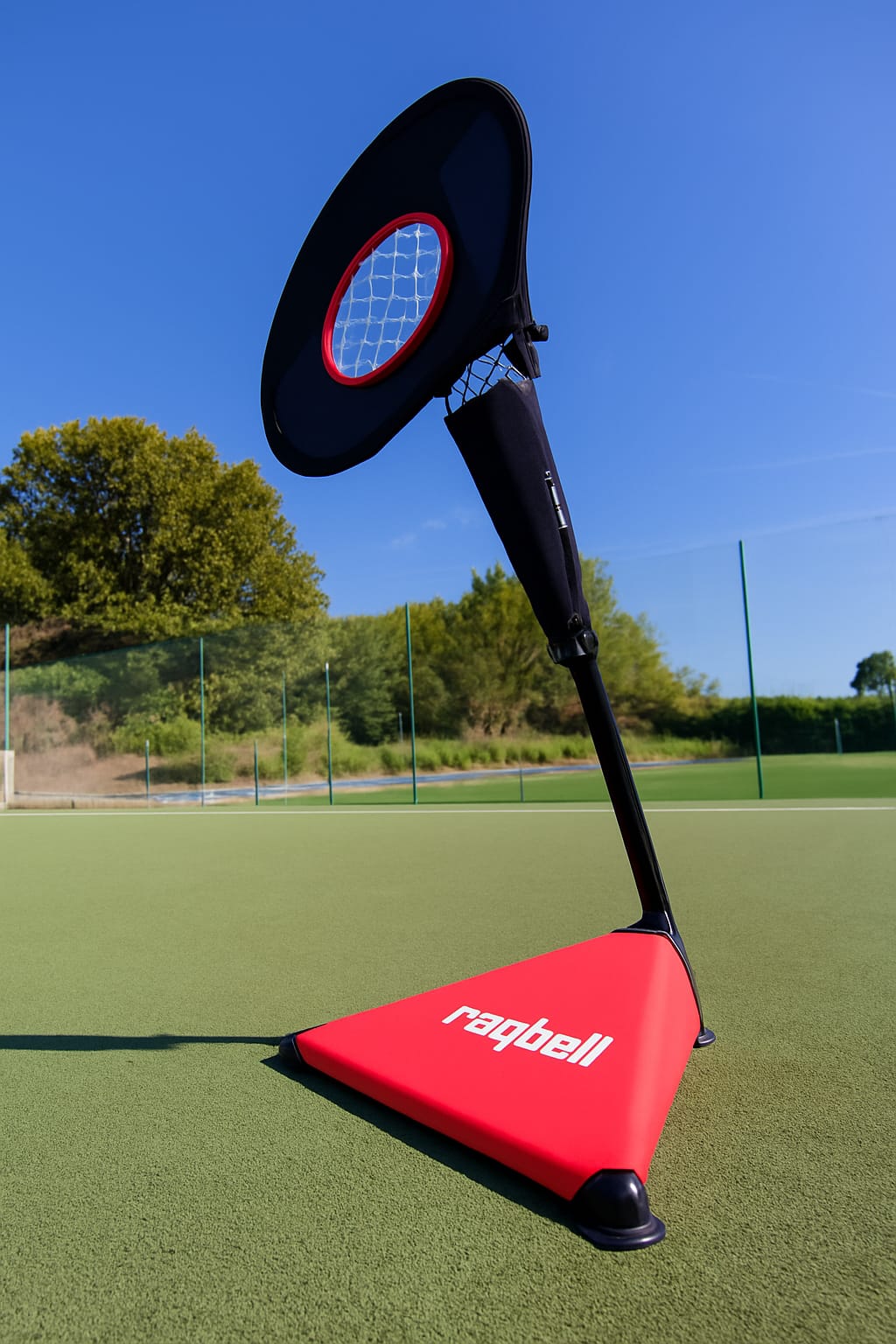
TARGGET close-up

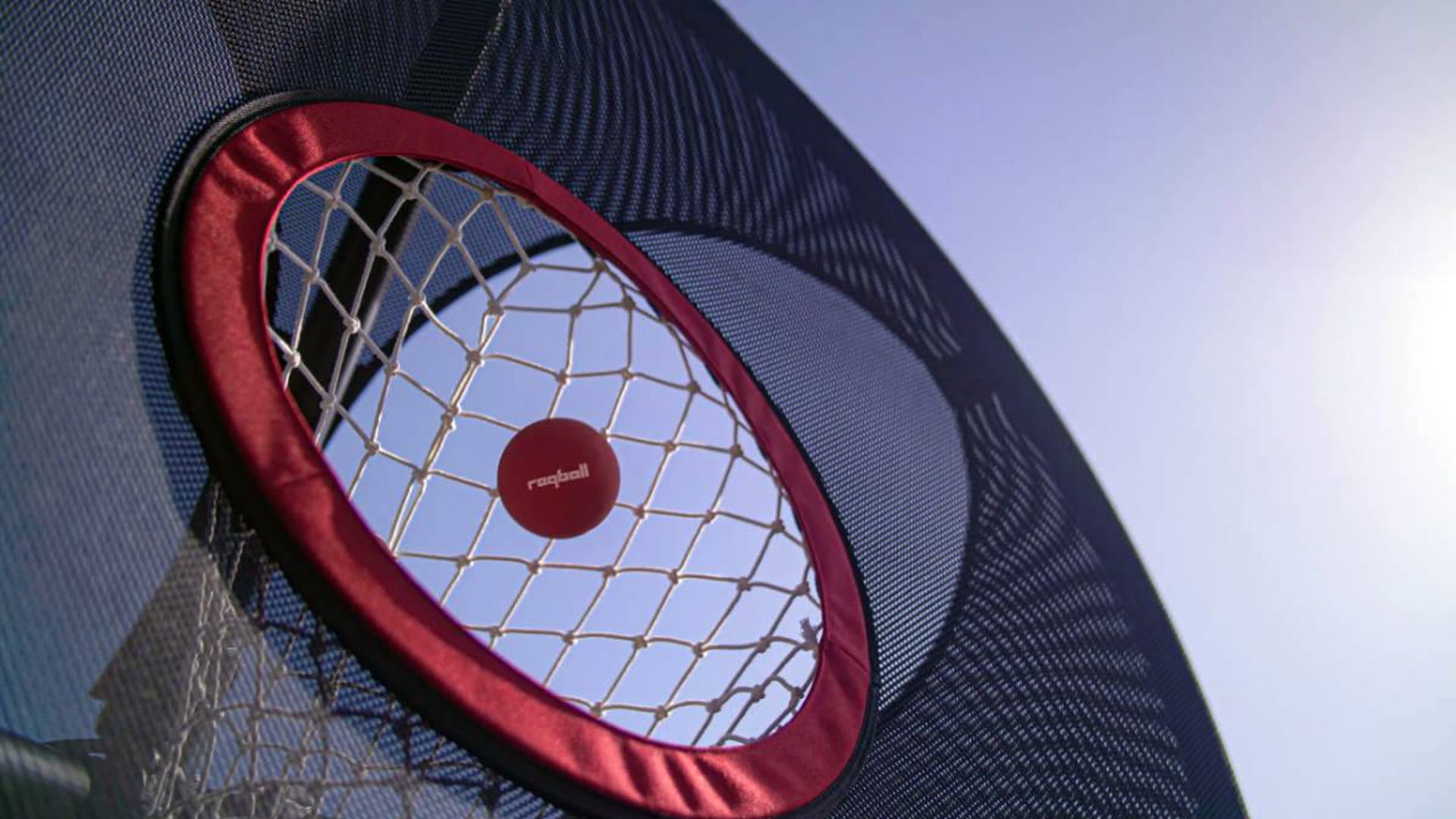
The TARGGET is the scoring target - a vertical board with different scoring areas.

TARGGET Structure:

  • Vertical board mounted at each end of the court
  • Center hole for precision shots (worth double points!)
  • Dimensions: 280cm ร— 110cm (110in ร— 43in regulation size)
  • Position: Placed behind the baseline at center
Scoring Preview:

The TARGGET has a center hole that doubles your points! Shots from farther away (back zone) are worth more than close shots (front zone). Strategy matters!

Why It Matters:

  • Creates strategic decisions (close vs. far, hit vs. hole)
  • Rewards precision (center hole = double points)
  • Rewards distance (back zone = more points)
  • Opponents can defend but must stay 1 meter away
MODULE 2: Court & Equipment

The RAQQET & Ball

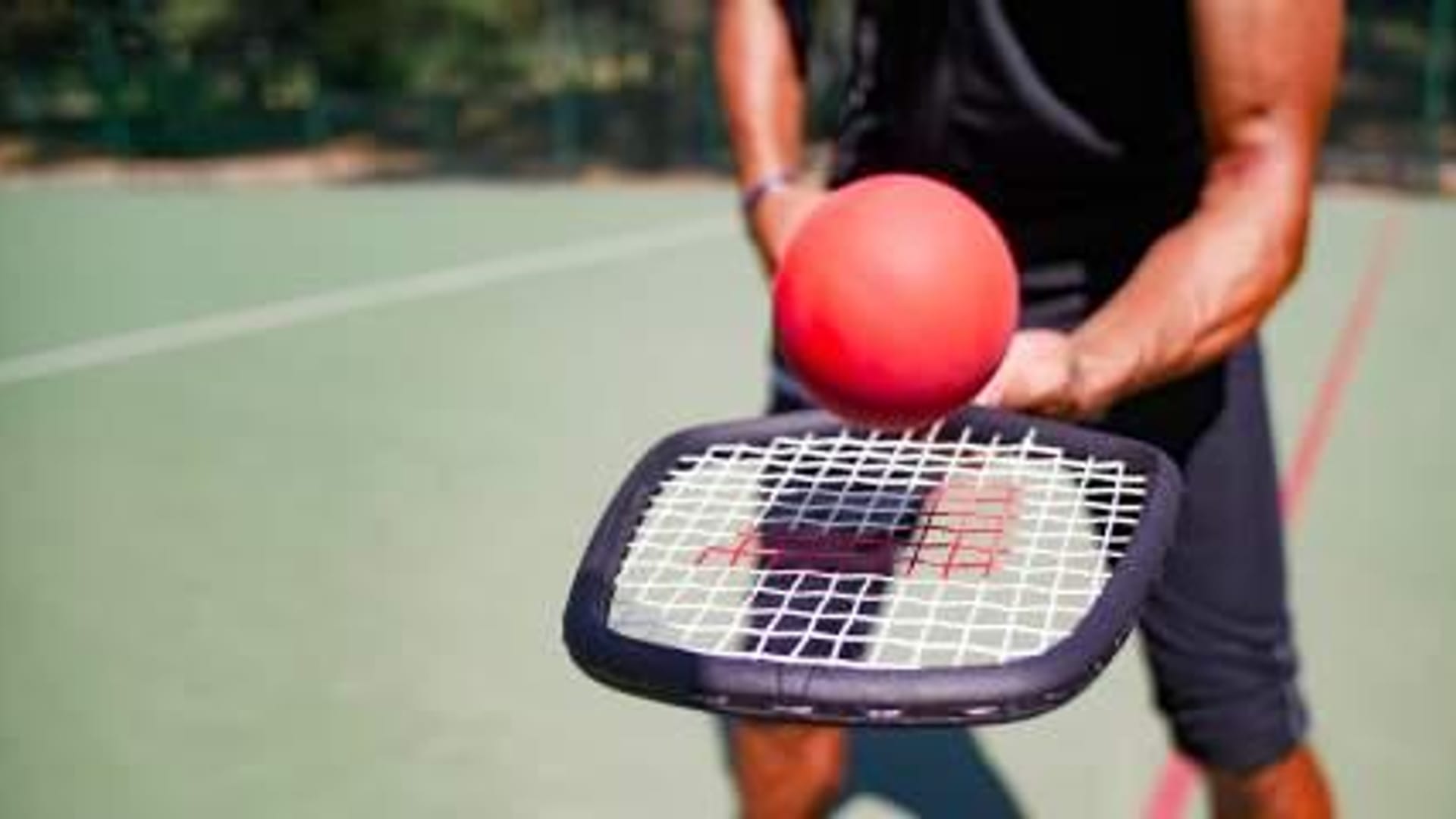
Player holding RAQQET

The RAQQET:

  • Specialized racquet designed for Raqball
  • Netted face for catching and controlling the ball
  • Ergonomic handle for comfortable grip
  • Lightweight for quick movements
Fun Fact: The RAQQET's unique design allows players to catch, carry, and throw the ball with precision - it's like having a superpower! ๐Ÿฆธ

The Ball:

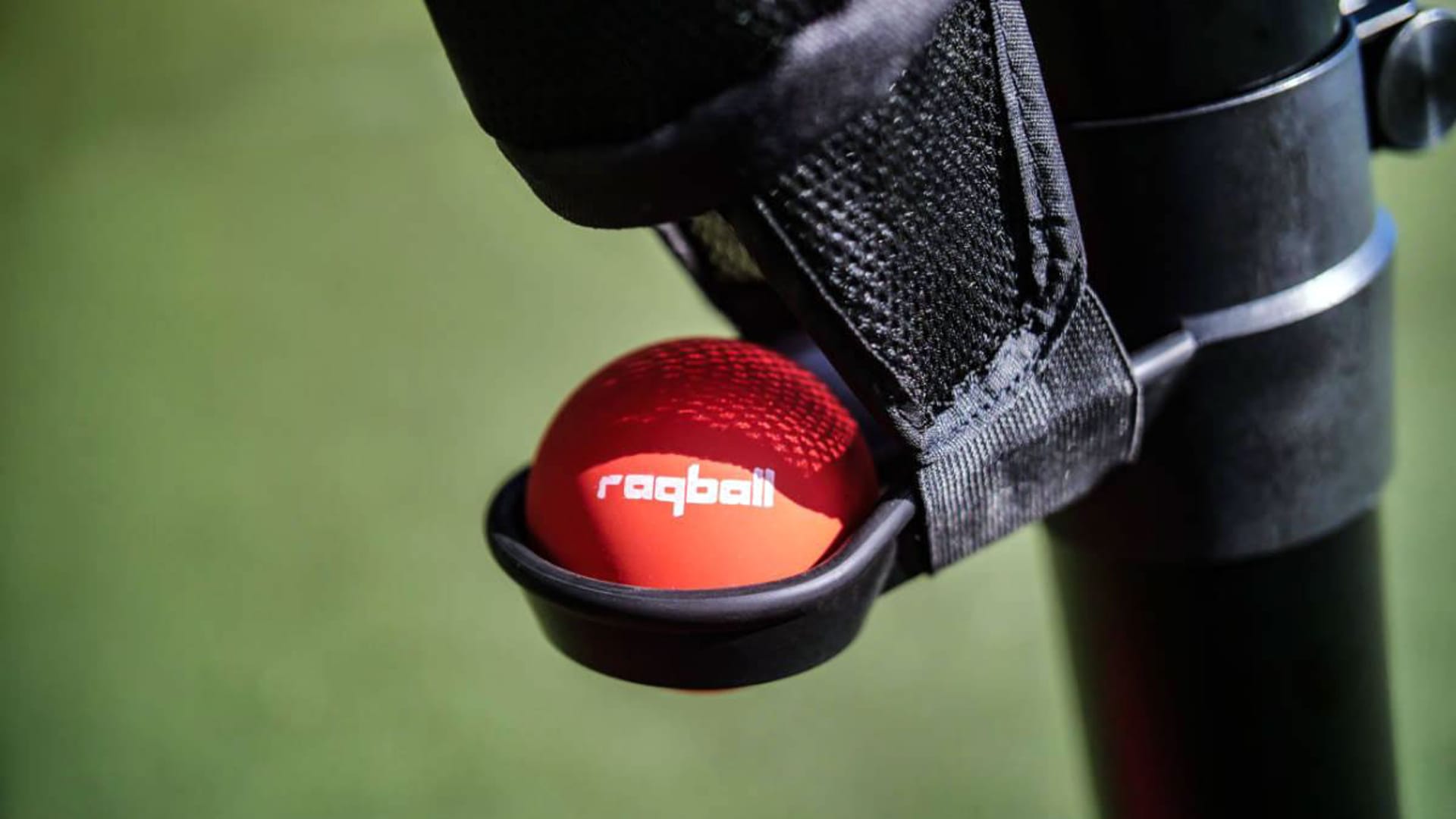
  • Official Raqball (regulation size and weight)
  • Soft enough for safety
  • Firm enough for accurate throwing
  • Durable for indoor/outdoor play

Other Equipment:

  • Uniform/Jersey (team colors)
  • Athletic shoes (non-marking for indoor)
  • Optional: Protective eyewear
MODULE 2: Court & Equipment

Equipment Provider & Portability ๐ŸŽ’

Official Equipment Provider:

RZ BALL - Official Equipment & Facility Provider
RZ BALL is the exclusive provider of official Raqball equipment and facilities worldwide, ensuring quality and consistency across all levels of play.

What RZ BALL Provides:

  • Official RAQQETs: Regulation-standard racquets for all skill levels
  • Official Raqballs: Certified balls meeting IRBF specifications
  • TARGGETs: Regulation scoring targets for competition and training
  • Court Equipment: Lines, markers, and accessories
  • Facility Solutions: Complete court setup and installation

Equipment Portability:

YES! Raqball equipment is highly portable:
  • โœ“ Lightweight TARGGETs: Can be assembled/disassembled quickly
  • โœ“ Compact Storage: Equipment packs down for transport
  • โœ“ Flexible Setup: Indoor or outdoor installation
  • โœ“ Temporary Courts: Use portable lines and markers
  • โœ“ Travel-Friendly: Easy to bring to events, schools, community centers

Why Portability Matters:

  • Accessibility: Bring Raqball to any community
  • Events & Demos: Set up demonstration courts quickly
  • School Programs: Transport equipment between facilities
  • Growing the Sport: Low barrier to entry for new programs

Remember: RZ BALL provides all official equipment, and it's designed to be portable for maximum accessibility!

MODULE 3: Game Basics

Team Setup ๐Ÿ‘ฅ

Raqball team

Team Composition:

  • 6 players per team:
    • 3 active players on the court
    • 3 substitute players on the bench
  • Mixed-gender requirement: Teams must include players of different genders
Active Court Positions:

Offensive roles: Focus on scoring
Defensive roles: Prevent opponent scoring
Flexible positioning: Players can move between offense and defense

Substitutions:

  • Unlimited substitutions during stoppages
  • Quick swaps keep the game fast-paced
  • Strategic - coaches can adjust for offense/defense
  • Must occur during dead ball situations

Officials:

  • 2 referees (one on each side of the court)
  • Scorekeeper tracks points and time
  • Timekeeper manages game clock
MODULE 3: Game Basics

Roles & Responsibilities ๐Ÿ‘จโ€๐Ÿ’ผ

Coach Roles During a Match:

The coach wears many hats during a Raqball match:
  • โœ“ Strategic Advisor: Provides tactical guidance and play calls
  • โœ“ Motivator: Encourages and inspires the team
  • โœ“ Timeout Manager: Decides when to call timeouts
  • โœ“ Substitution Coordinator: Manages player rotations
  • โœ“ Team Representative: Communicates with officials
What the coach DOES NOT do:
โŒ Play on the court - Only active players participate in play
โŒ Make referee decisions - Officials have final authority
โŒ Handle the ball during live play - Must stay off the court

Player Responsibilities:

  • Execute Strategy: Follow coach's game plan
  • Communicate: Call out plays, screens, and switches
  • Follow Rules: Understand and respect game regulations
  • Support Teammates: Positive encouragement

Official Roles (Review):

  • Referees (2): Enforce rules, call violations, maintain fair play
  • Scorekeeper: Track points, fouls, and game statistics
  • Timekeeper: Manage game clock, quarters, timeouts

Team Captain:

  • On-Court Leader: Communicates with referees
  • Team Representative: Can discuss calls with officials
  • Decision Maker: Makes choices during coin toss

Remember: Clear roles and communication lead to better team performance!

MODULE 3: Game Basics

Game Flow โฑ๏ธ

Game in progress

Game Duration:

  • 4 quarters of 5 minutes each
  • Total playing time: 20 minutes
  • Halftime: 2 minutes after 2nd quarter
  • Short breaks: 1 minute between 1st-2nd and 3rd-4th quarters
Starting the Game:
โ€ข Coin toss determines first possession
โ€ข Game begins with a start throw from mid-court
โ€ข After each score, the team that was scored on gets possession

Game Pace:

  • Fast-paced - quick possessions
  • Clock mechanism: Stops on every dead ball, restarts when ball is live
  • Timeouts: Per event rules and officials' discretion

Winning:

  • Team with most points at end wins
  • Overtime: If tied, sudden death - first TARG scores wins (no fixed time)
MODULE 3: Game Basics

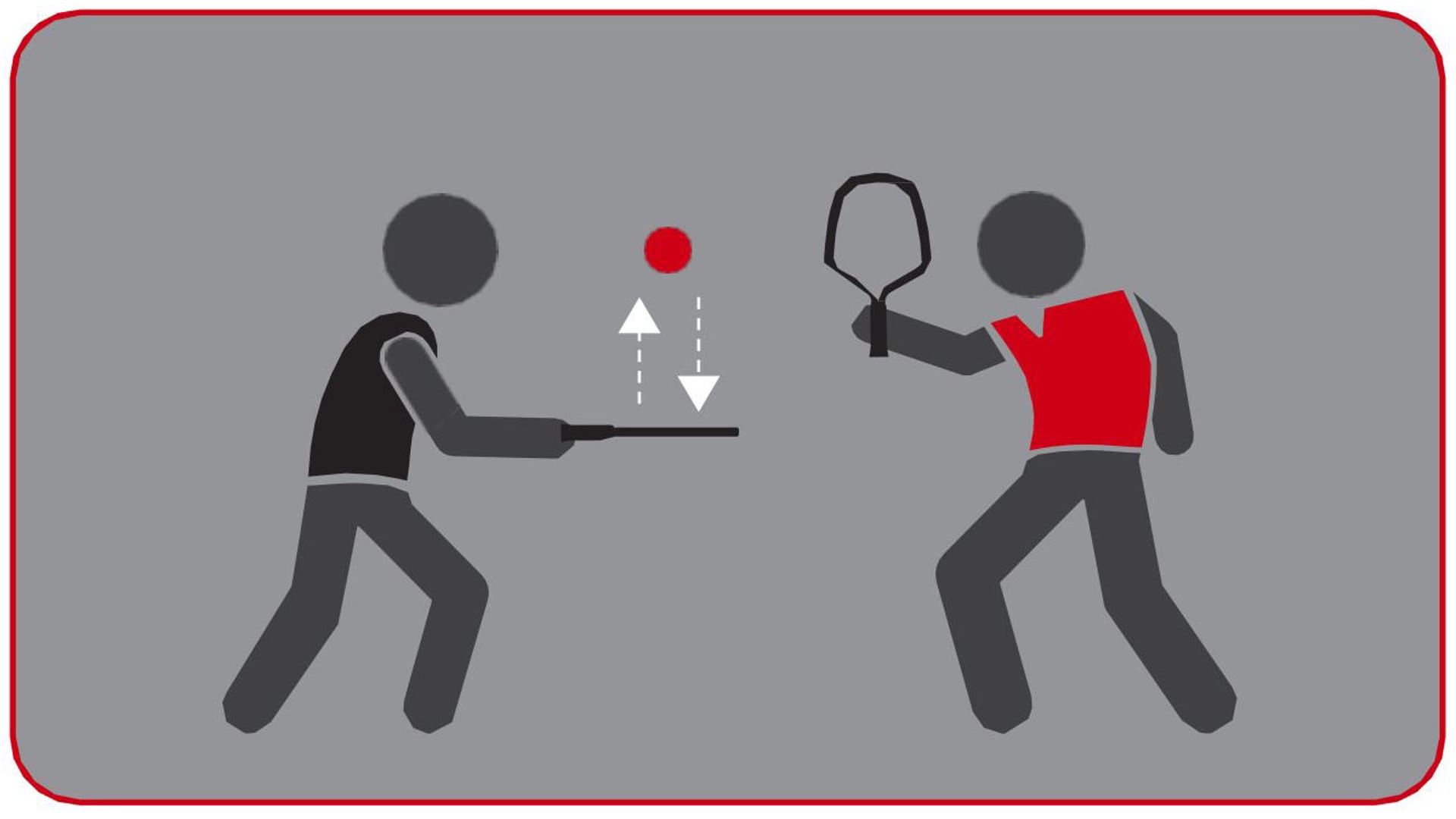
Ball Movement: DRIB'UP

Player performing DRIB'UP

DRIB'UP is Raqball's unique movement technique - it's how you move with the ball!

What is DRIB'UP?
A player bounces the ball on the ground with their RAQQET, catches it in the RAQQET net, and may take steps while the ball is in the air.

DRIB'UP Rules:

  • Bounce with RAQQET: Hit the ball down to the ground using your RAQQET
  • Catch in RAQQET: Recatch the ball with your RAQQET after the bounce
  • Move while airborne: You can take steps while the ball is in the air
  • Must be intentional: Accidental drops don't count as DRIB'UP

Why DRIB'UP Matters:

  • Allows controlled advancement down the court
  • Creates strategic positioning opportunities
  • Different from running - promotes fairness
  • Requires skill and practice to master

Remember: You can't just run with the ball - you must use DRIB'UP technique!

MODULE 3: Game Basics

Advanced Movement Rules ๐Ÿ“

DRIB'UP Limitations:

How many DRIB'UPs can you do?
There is NO LIMIT to the number of DRIB'UPs a player can perform during their possession! You can DRIB'UP as many times as needed to advance down the court.
  • Multiple DRIB'UPs Allowed: Players can perform consecutive DRIB'UPs
  • No "Double Dribble" Rule: Unlike basketball, you can DRIB'UP repeatedly
  • Strategic Advantage: Use multiple DRIB'UPs to advance or create space

Offside Rule:

NO! Raqball does NOT have an offside rule.

Unlike soccer or hockey, players can position themselves anywhere on the court at any time. There are no restrictions on player positioning relative to the ball or opponents.
  • Free Positioning: Players can be anywhere on court
  • Strategic Flexibility: Set up plays without offside concerns
  • Simplifies Play: Less restrictive than traditional ball sports

Effective Playing Time:

  • Total Match Time: 20 minutes (4 ร— 5-minute quarters)
  • Effective Playing Time: Approximately 12-15 minutes
  • Why the Difference?
    • Clock stops on dead balls
    • Timeouts and breaks
    • Substitutions and stoppages
    • Officials' timeouts for injuries/equipment
Key Takeaways:
  • โœ“ Unlimited DRIB'UPs per possession
  • โœ“ No offside rule - play anywhere
  • โœ“ 12-15 minutes of actual active play

Remember: Raqball's movement rules promote skill and strategy over physical advantages!

MODULE 3: Game Basics

Other Movement Rules

HIGH PASS:

HIGH PASS demonstration
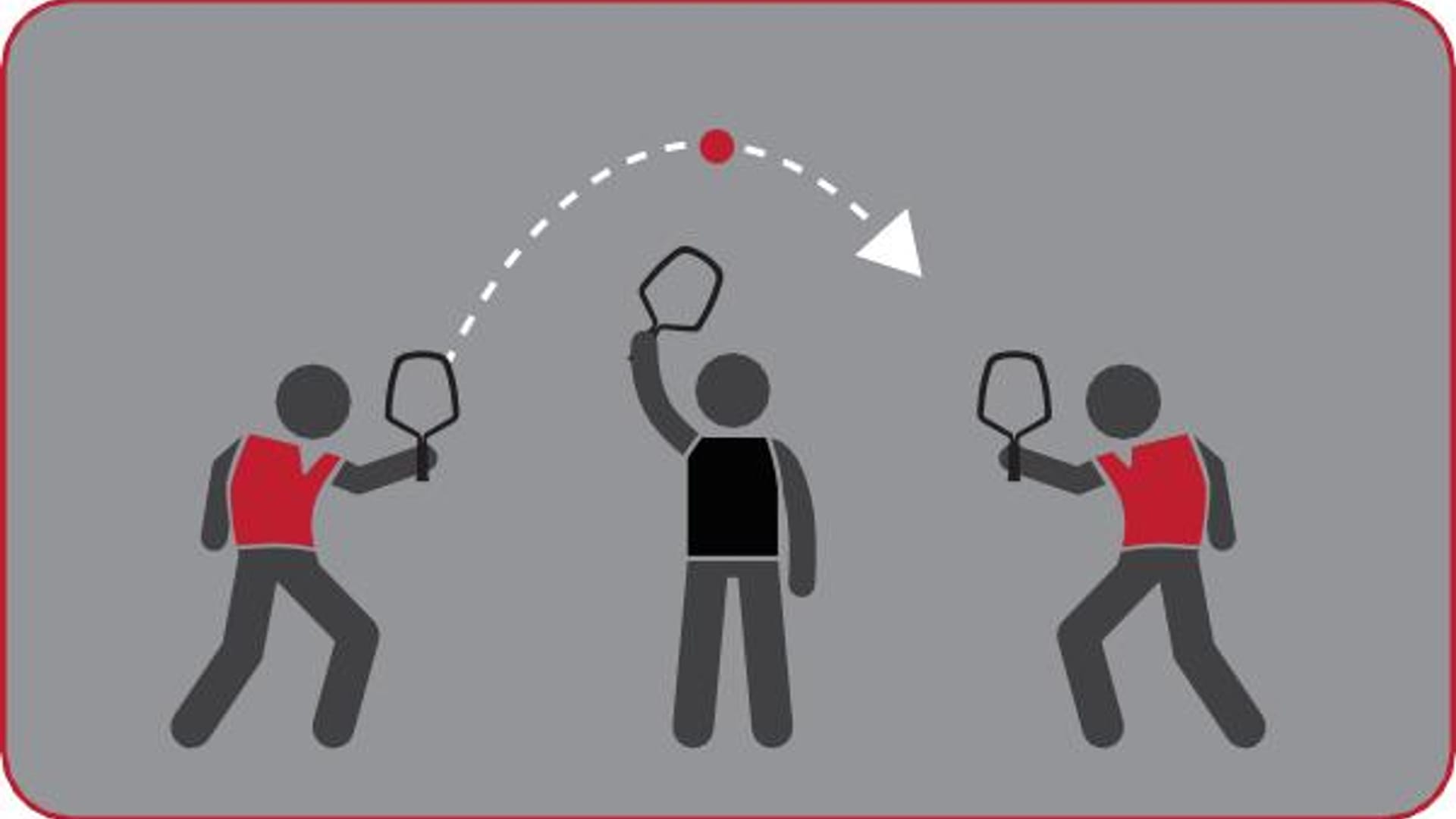
Definition: A pass where the ball travels through the air above head height.

Rule: After catching a HIGH PASS, you can move while keeping the ball active with DRIB'UP, passes, or shooting.

1GROUND:
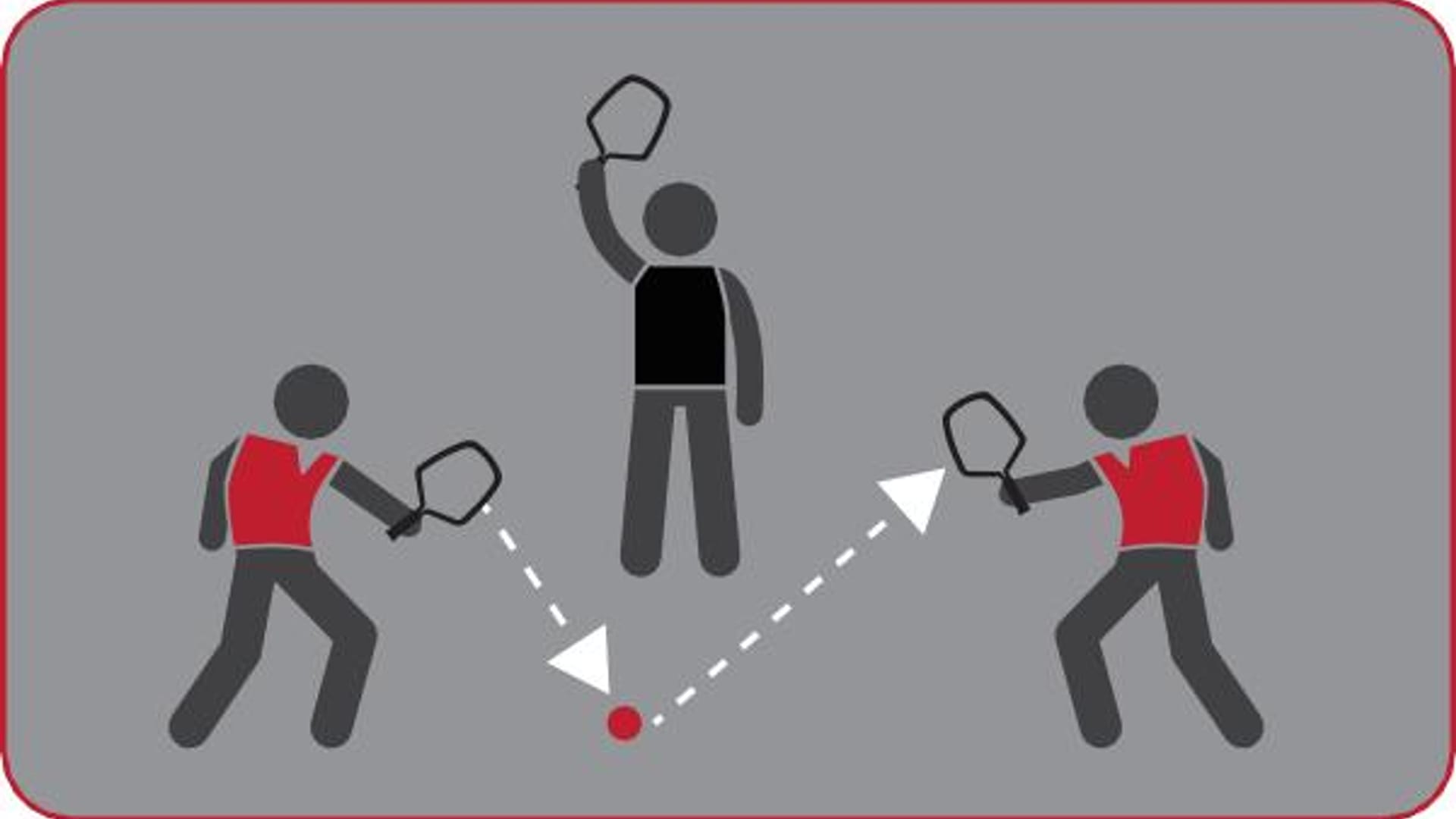
1GROUND demonstration
Definition: When the ball bounces once on the ground before being caught.

Rule: Each team can use ONE 1GROUND during their possession. After catching a 1GROUND pass, keep the ball moving with DRIB'UP, passes, or shooting.

Quick Reference:

  • Ball control: Keep ball moving and non-static on RAQQET
  • HIGH PASS or 1GROUND: Use to advance position
  • DRIB'UP: Move while ball is airborne during the bounce
  • Movement: Use DRIB'UP, passes, and 1GROUND (max once per possession)

Strategy Tip: Use HIGH PASS and 1GROUND to give receivers momentum for better shooting position!

MODULE 4: Scoring System

How Scoring Works ๐ŸŽฏ

Scoring system diagram

A TARG is a shot at the TARGGET! Points depend on where you shoot from and where you hit.

Front Zone (Opponent's Half) Scoring:

1 POINT: Hit the TARGGET anywhere
Ball contacts the TARGGET surface from front zone.
2 POINTS: Hit or through the center hole
Ball hits or passes through the center hole from front zone.

Back Zone (Your Own Half) Scoring:

2 POINTS: Hit the TARGGET anywhere
Ball contacts the TARGGET surface from back zone.
4 POINTS: Hit or through the center hole
Ball hits or passes through the center hole from back zone - highest value!

Strategy: Close shots are safer (1-2 points), but long-distance shots from back zone are worth more (2-4 points)!

MODULE 4: Scoring System

Scoring Examples ๐Ÿ“Š

Scoring examples diagram

Complete Scoring Breakdown:

FRONT ZONE (Opponent's Half - Closer to Their TARGGET):

โœ“ Hit TARGGET anywhere = 1 point
โœ“ Hit or through center hole = 2 points
BACK ZONE (Your Own Half - Farther from Their TARGGET):

โœ“ Hit TARGGET anywhere = 2 points
โœ“ Hit or through center hole = 4 points โญ

Strategic Decisions:

  • Aggressive Attack (Front Zone): Push forward for easy 1-point shots, or risk 2-point hole shots
  • Long-Range Power (Back Zone): Stay back for valuable 2-4 point shots - harder but worth more!
  • Center Hole Bonus: Always doubles your points (1โ†’2 or 2โ†’4)
  • Court Position Matters: Every meter counts - farther = more points

Scoring Examples:

  • Shot from front zone hits TARGGET = 1 point
  • Shot from front zone through hole = 2 points
  • Shot from back zone hits TARGGET = 2 points
  • Shot from back zone through hole = 4 points (maximum!)

Pro Tip: Master accurate shooting from the back zone - it's the key to high scores!

MODULE 4: Scoring System

Winning Strategies ๐Ÿ†

Team celebrating

Offensive Strategies:

  • Accuracy First: Aim for center hole (doubles points!)
  • Back Zone Power: Shoot from back zone for maximum points (2-4 pts)
  • Quick Ball Movement: Pass to create better shooting angles
  • Use DRIB'UP: Advance to better positions
  • High-Low Game: Combine HIGH PASS with ground movement

Defensive Strategies:

  • Guard the TARGGET: Block shooting lanes
  • Maintain distance: Stay legal spacing from opponent
  • Anticipate passes: Intercept when possible
  • Communicate: Call out screens and switches
Team Success Formula:
Accurate Shooting + Smart Passing + Strong Defense = WINS! ๐ŸŽฏ

Remember: The team with the most points when time expires wins!

MODULE 5: Key Rules

โš ๏ธ CRITICAL: Non-Contact Rule

๐Ÿ›‘ MOST IMPORTANT RULE IN RAQBALL:

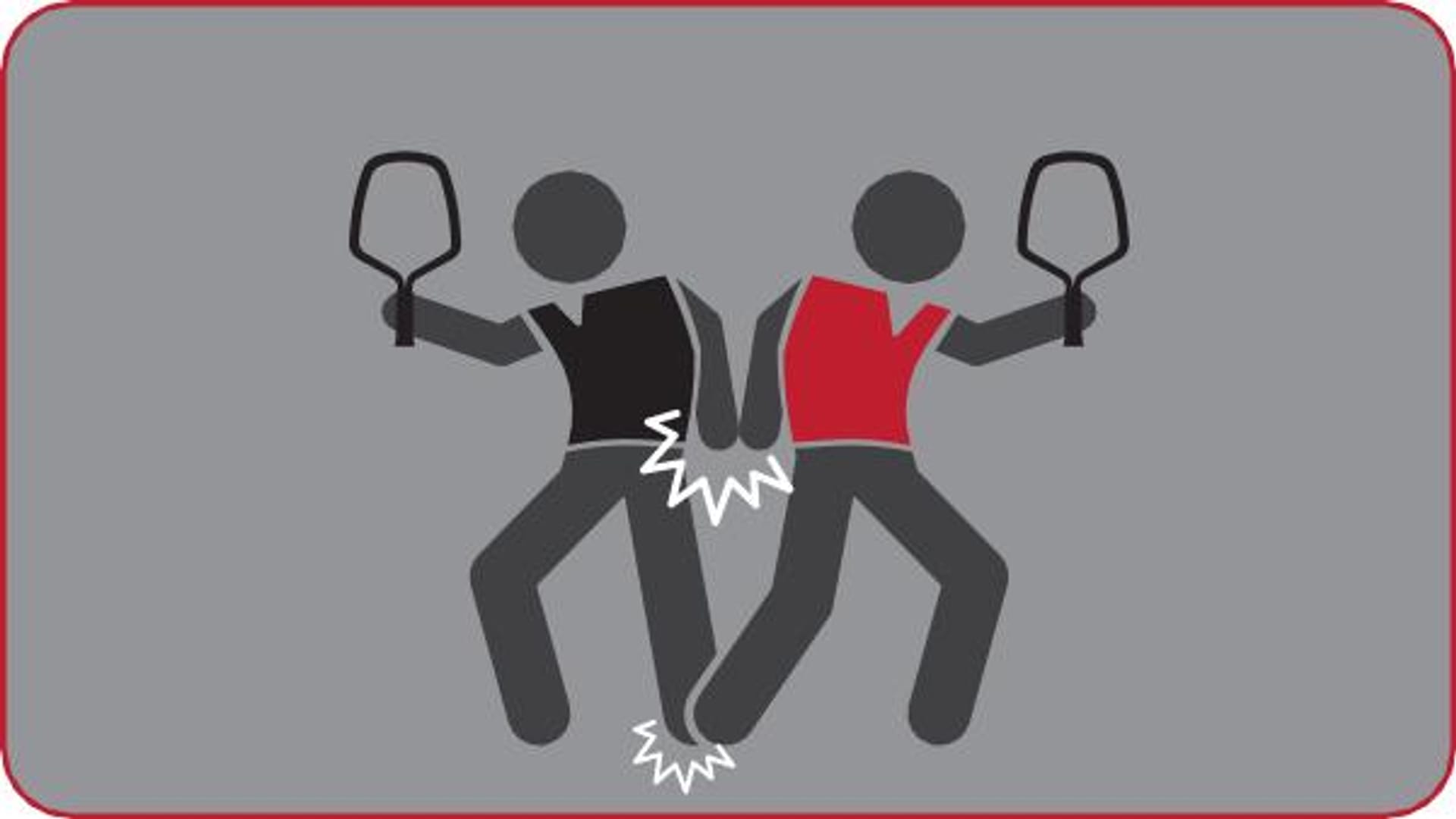
RAQBALL IS A NON-CONTACT SPORT

Physical contact between players is STRICTLY PROHIBITED and results in penalties.

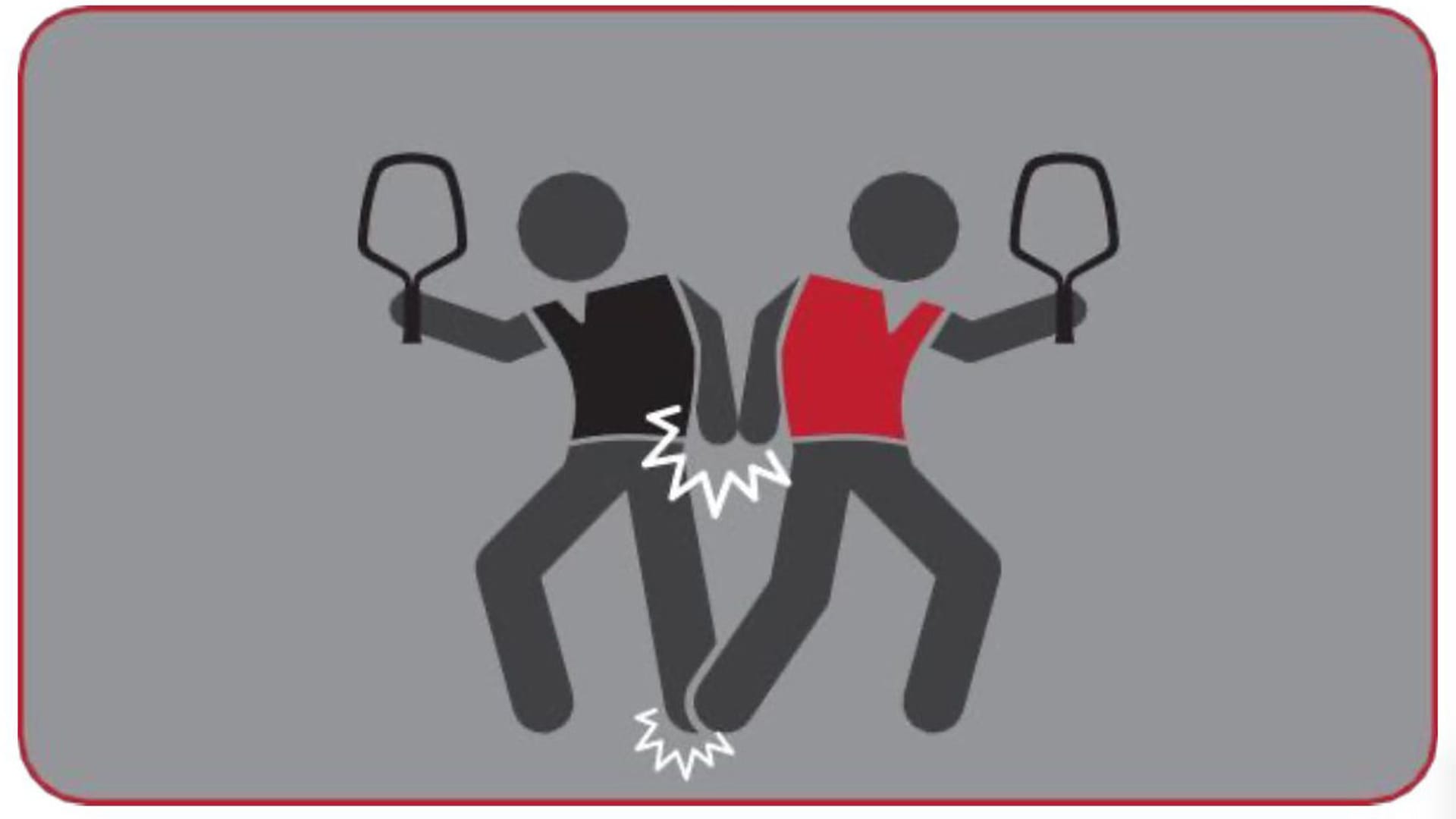
What "Non-Contact" Means:
Non-contact example 1
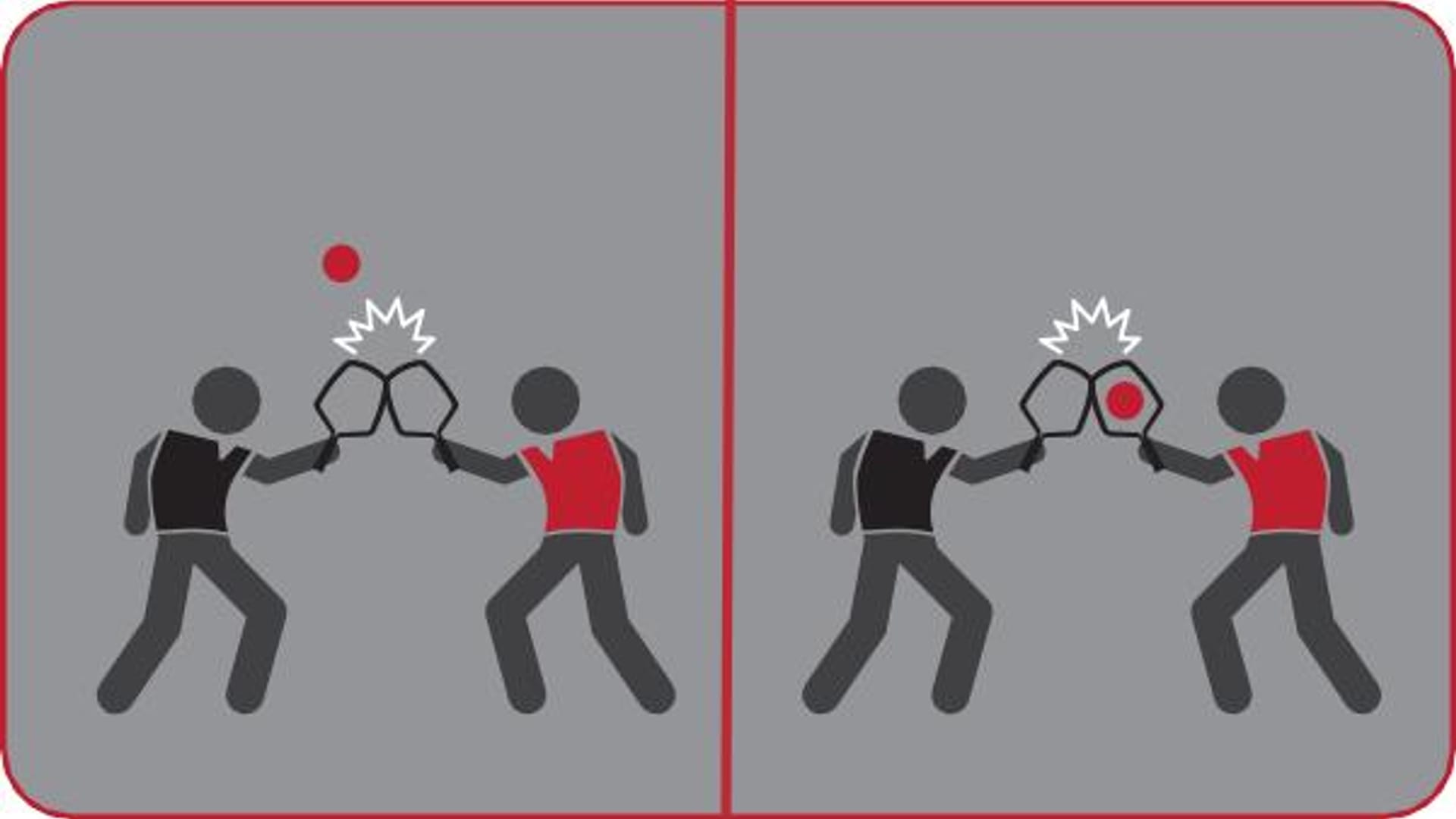
  • โŒ No pushing, holding, or blocking with your body
  • โŒ No intentional contact with opponents
  • โŒ No screening (using body to obstruct)
Non-contact example 2
  • โŒ No charging or aggressive movement into players
  • โœ… Maintain safe distance at all times

Why This Matters:

  • Safety first: Protects all players from injury
  • Inclusivity: Allows players of all sizes to compete fairly
  • Skill focus: Emphasizes technique over physicality
  • Gender equity: Levels the playing field

Violation: Contact fouls result in possession change and/or penalty throws for the opposing team.

MODULE 5: Key Rules

Common Violations โš ๏ธ

Common violations in Raqball

Movement Violations:

  • Traveling: Taking steps with the ball without DRIB'UP, HIGH PASS, or 1GROUND
  • Double DRIB'UP: Performing DRIB'UP, catching, then DRIB'UP again without passing
  • Carrying: Holding the ball too long in RAQQET (must keep it moving)

Ball Handling Violations:

  • Out of Bounds: Ball or player touches/crosses boundary lines
  • Dropped Ball: Losing control of ball (unless DRIB'UP)
  • Illegal Pass: Pass doesn't meet HIGH PASS or 1GROUND criteria

Defensive Violations:

  • Too Close: Defender must maintain minimum distance (1 meter) from offensive player with ball
  • Interference: Blocking shooting lane with body
  • Contact: Any physical contact (see previous slide)
Penalty for Violations:
โ€ข Minor violations: Turnover (possession to other team)
โ€ข Major violations: Free throw from designated spot
โ€ข Repeated violations: Yellow/Red card system
MODULE 5: Key Rules

Protests & Procedures ๐Ÿ“

Official Protest Procedures:

IMPORTANT: Written Protests Only
All official protests must be submitted in writing. Verbal protests are NOT accepted for official review.

When Can You Protest?

  • Rule Interpretation: Dispute about how a rule was applied
  • Scoring Errors: Incorrect point recording
  • Eligibility Issues: Player or team qualification questions
  • Timing Discrepancies: Clock management errors

What CANNOT Be Protested:

Judgment Calls:
  • โŒ Foul calls (contact, violations)
  • โŒ Out-of-bounds decisions
  • โŒ Traveling or carrying calls
  • โŒ Other referee judgment decisions
These decisions are final and cannot be protested.

Protest Process:

  1. Immediate Notification: Team captain informs head referee of intent to protest
  2. Written Submission: Must submit written protest within specified timeframe (typically 24-48 hours)
  3. Include Details:
    • Match information (date, teams, officials)
    • Specific rule citation
    • Description of disputed situation
    • Desired outcome
  4. Review Process: Competition committee or designated authority reviews
  5. Decision: Written response provided to protesting team

During-Match Disputes:

  • Team Captain: Only the captain can address officials
  • Respectful Communication: Maintain sportsmanship always
  • Officials' Authority: Referees have final say during play
  • Continue Play: Game proceeds while protest is noted
Best Practice:
Trust the officials' expertise. Most disputes are resolved through respectful communication. Save formal protests for serious rule interpretation issues only.

Remember: Written protests only - no verbal protests accepted!

MODULE 5: Key Rules

Substitutions & Timeouts

Team huddle and substitutions

Substitution Rules:

Maximum 2 Substitutions Per Quarter
Teams can make up to 2 player substitutions in each quarter.
  • When: During timeouts OR when team has possession
  • How: Player enters from own endline near bench
  • Who: Any of the 3 bench players can replace any of the 3 court players
  • Strategy: Fresh legs, matchups, or tactical adjustments

Timeout Rules:

  • Team timeouts: Per event-specific rules
  • Officials' timeouts: For injuries, equipment issues, or other stoppages
  • Use: Strategy discussion, rest, or momentum shift
Coach's Tip: Plan your substitutions strategically - you only get 2 per quarter! Use them to keep players fresh and adjust matchups.
MODULE 5: Key Rules

Sportsmanship & Fair Play ๐Ÿค

Teams showing sportsmanship

Raqball values respect, integrity, and fair play above all else.

Core Values:

  • Respect: For opponents, teammates, officials, and the game
  • Integrity: Play by the rules, admit mistakes
  • Inclusivity: Welcome all players regardless of background
  • Safety: Prioritize player wellbeing

Expected Behavior:

DO:
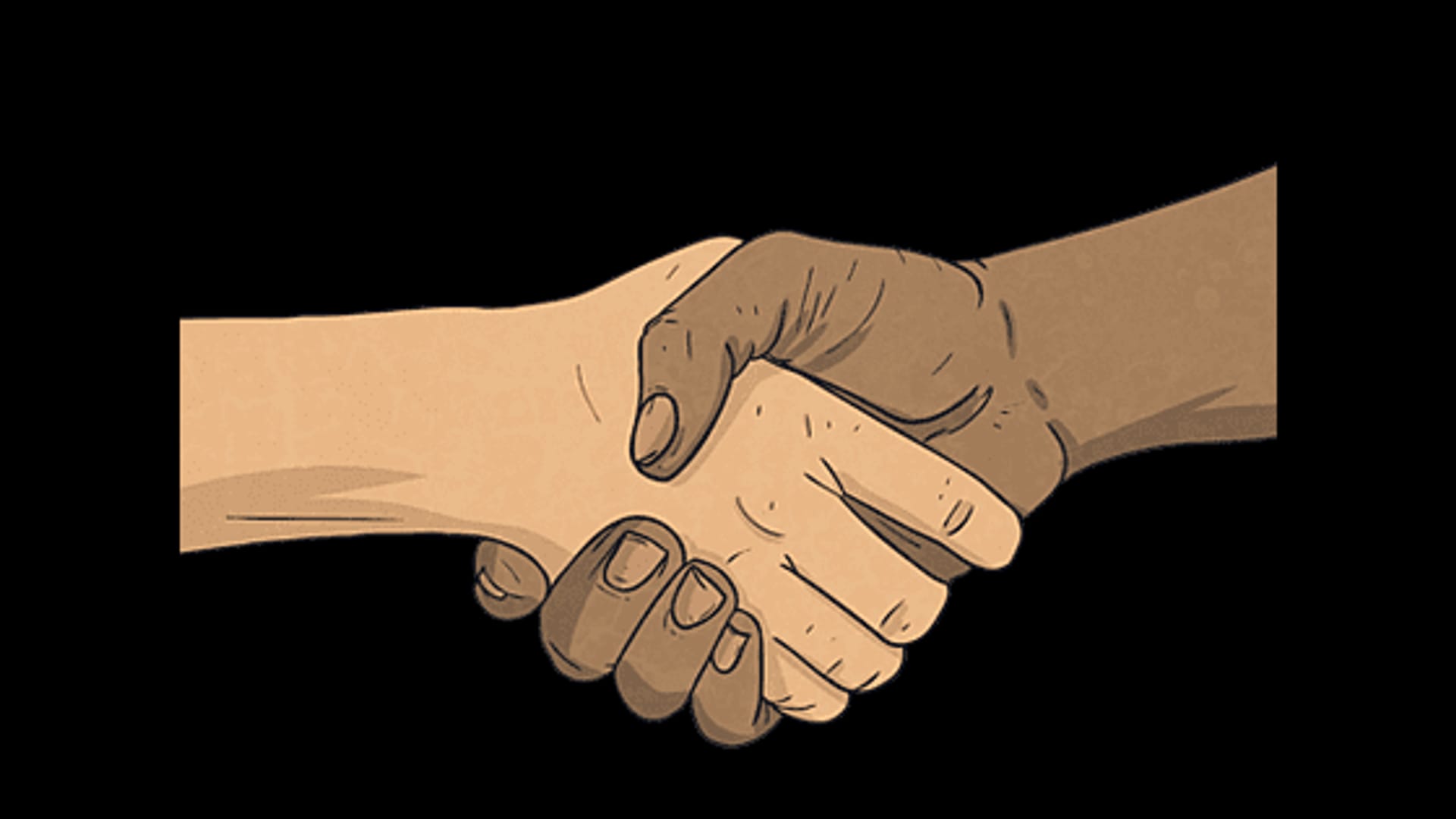
โœ… Shake hands before and after the game
โœ… Acknowledge good plays by anyone
โœ… Help opponents up if they fall
โœ… Accept officials' decisions gracefully
โœ… Encourage teammates positively
DON'T:
โŒ Argue with officials
โŒ Taunt or disrespect opponents
โŒ Use foul language
โŒ Show poor body language
โŒ Question others' integrity

Remember: How you play the game matters as much as whether you win!

MODULE 6: Wrap Up

Congratulations! ๐ŸŽ‰

Raqball completion celebration

You've completed the Raqball Rules Fundamentals course!

What You've Learned:

  • โœ… What makes Raqball unique and inclusive
  • โœ… The court, TARGGET, and equipment
  • โœ… Team setup and game flow
  • โœ… Movement rules (DRIB'UP, HIGH PASS, 1GROUND)
  • โœ… Complete scoring system
  • โœ… Critical non-contact rule
  • โœ… Violations and penalties
  • โœ… Sportsmanship values

๐ŸŽ“ Ready for Your Certificate?

Take the 20-question exam to test your knowledge!

Pass Score: 16/20 (80%)

What You Get: Digital certificate from Raqball USA Federation

Next Steps:

  • Take the exam below to earn your certificate
  • Download the full rules PDF for reference
  • Watch videos of Raqball gameplay
  • Find local programs to start playing

Good luck on your exam! ๐Ÿ€